
during the Independence Celebration in Gonaives, a huge pot of pumpkin soup was concocted, and every one present was served a bowl as a symbol of unity and victory.
So every time we drink this soup on January 1st it reminds us of the injustices of slavery which we had overcome 201 years ago. These years of Haitian Independence have thus always been 201 years of struggles against oppression and domination. Eating pumpkin soup is a reminder that the fight is not over. It also gives us courage, and reminds us that there is victory at the end of the tunnel.
1 lb.cubed beef stew meat |
1 malanga or equivalent |
1. Clean the meat with hot water and lemon and set aside in a bowl.
2. Add seasoning, salt and let marinated for at least 2 hrs.
3. Boil meat in stockpot with 3 quarts of water or until tender (about 1 ½- 2 hrs)
4. When meat is tender, add carrots and pumpkin peeled and sliced.
5. When pumpkin gets soft, remove and pulverize in blender. Add back to pot.
6. Cut and add in order, potatoes, celery, turnips etc. Add cabbage last (because you want to add the ingredients that require more time to cook first and leave items like cabbage for later so that they do not get too crushed)
7. Continue boiling until meat is tender and vegetables are cooked (1/2 hour).
8. Add pasta.
9. Taste and add seasoning at will.
10. Turn off the heat and let cool.
Serve in a medium size bowl sitting in a plate with pieces of bread on the side.
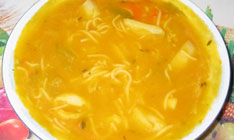
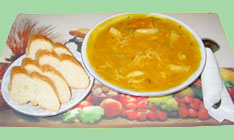
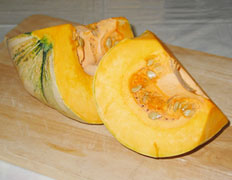
It's always a tradition for Haitians around the world to savor squash soup (soup joumou in Creole), every January 1st in order to start the New Year and to celebrate Haiti's Independence Day. Having this delicious soup on New Year's Day is heavily rooted in our culture and our history.
During slavery, only the French colonists were able to drink this delicious and aromatic meal on special occasions while slaves were to drink simple bread soup. Then, on January 1st 1804,

















Haitian Squash Soup (Recipe)